
8 Tips to Successfully Open a Mall Kiosk: 2026 Guide

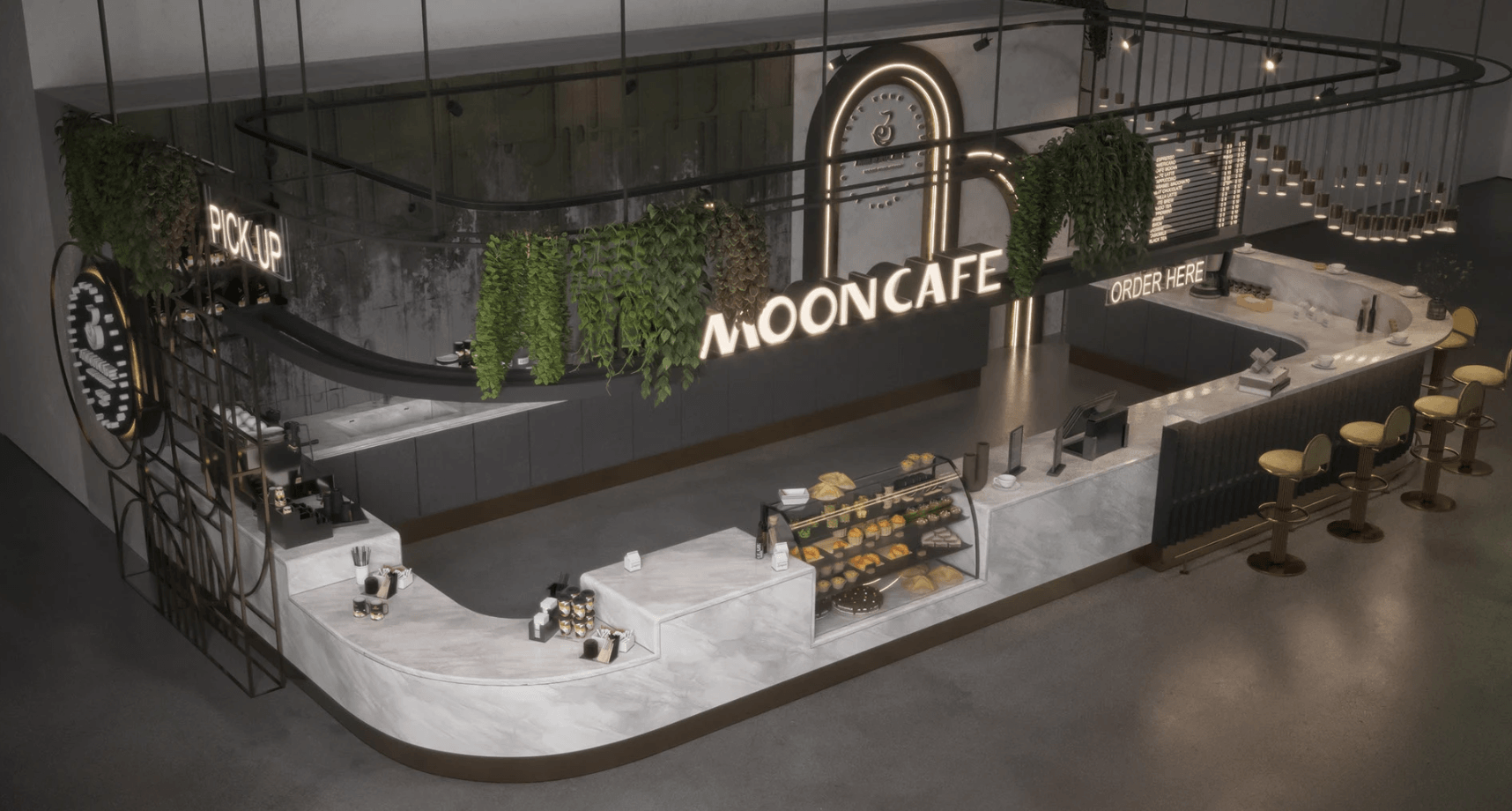
Thinking about opening a mall kiosk but not sure where to start? The barrier to entry is lower than you think in 2026, but honestly, less than 60% of people who try actually make real money. This guide gives you 8 practical, battle-tested tips — from product selection and location scouting to rent negotiation and inventory management — covering the entire process from zero to launch. Whether this is your first business or you’re expanding offline channels, these lessons will help you avoid costly mistakes and hit break-even faster.
1. Pick the Right Niche First: Product-Market Fit Is Everything
Most people get step one wrong. They find a spot first, then figure out what to sell. Flip that around: lock in your product category first, then find the right mall and location for it.
What Actually Sells at Mall Kiosks?
Expensive doesn’t mean profitable. Kiosks run on impulse buys — people walk by and decide in 3 seconds whether to stop. So your product needs to check three boxes: small size, fast decision-making, and healthy margins.
| Category | Average Margin | Target Demographic | Break-Even Timeline |
|---|---|---|---|
| Phone accessories / tech gadgets | 60%-80% | All ages | 3-6 months |
| Custom gifts / engraving services | 70%-90% | Young adults, tourists | 4-7 months |
| Beauty samples / skincare tools | 55%-70% | Mostly female | 5-8 months |
| Pre-packaged food & drinks | 40%-60% | Broad audience | 6-10 months |
| Jewelry & fashion accessories | 65%-85% | Young women | 5-9 months |
2026 trend to watch: hybrid concepts are gaining traction. Think phone cases + screen protector services, or jewelry + on-site engraving. Two related categories under one roof can push average order value up 20%-30%.
B2B Angle: Think Beyond the First Kiosk
If you’re a brand owner or supplier, think a few steps ahead:
- Can this concept scale? If you want to open a second or third location, can your supply chain keep up?
- Does the product have brand recognition? Will customers remember your name, or will you just be “that random kiosk in the mall”?
- How heavy is post-sales support? Kiosks are tiny — handling returns and exchanges gets messy fast.
2. Location Isn’t About Paying the Most Rent — It’s About the Right Foot Traffic
Location makes or breaks a kiosk, but the most expensive spot isn’t always the most profitable one.
Focus on “Quality Traffic,” Not Just Raw Numbers
Not everyone walking by is your customer. A spot outside a women’s clothing store gets tons of foot traffic — but it’s useless if you’re selling kids’ toys.
Three prime locations for kiosks:
- Food court entrances/exits — People waiting around or strolling after a meal have the longest dwell time
- Main walkway corners — Unobstructed visibility, people can see you from far away
- Next to anchor stores (Apple, Uniqlo, etc.) — Built-in, targeted traffic
Pro tip to avoid: Don’t set up directly in front of escalators. People are in motion on escalators. By the time they register what you’re selling, they’ve already walked past.
Do the Legwork — Count People Yourself
Don’t take the leasing manager’s word for it. Camp out and count.
Your on-site checklist:
- Count foot traffic on a weekday 2-4pm, and again on a weekend 1-3pm
- Track what percentage of people actually glance at nearby kiosks (dwell rate)
- Roughly how many sales are similar kiosks making?
- How many direct competitors are nearby?
Generally speaking, a dwell rate above 10% means you’ve found a solid spot.
3. Negotiate Rent Like You Mean It — These Clauses Are Non-Negotiable
Mall rent isn’t set in stone. With vacancy rates where they are in 2026, there’s more wiggle room than you’d expect.
Understand the Rent Structure
Mall kiosks typically use one of three pricing models:
表格
| Model | How It Works | Best For |
|---|---|---|
| Fixed rent | Flat monthly fee | Established categories, proven locations |
| Base + percentage | Minimum rent + 5%-15% of sales | New concepts, uncertain volume |
| Pure percentage | Revenue share only (15%-25%) | Big brands that drive foot traffic |
If you’re new to this, go with option two. Lower risk, less pressure.
5 Things You Must Fight for in Negotiations
- Rent-free period — At least 7-15 days for setup. It’s normal to get a full month.
- Trial period clause — If performance is below expectations in the first 3 months, you can relocate or exit the lease.
- Exclusivity clause — No competing kiosks on the same floor. This one is huge.
- Rent increase cap — Max 3%-5% annual increase upon renewal.
- What’s included? — Utilities, internet, storage, security. People skip this and get hit with hundreds in extra fees.
Negotiation hack: Don’t lead with price. Start by asking “what services are included at this rate?” List everything out, then chip away line by line. Leasing managers hit quotas at month-end and quarter-end — time your approach accordingly.
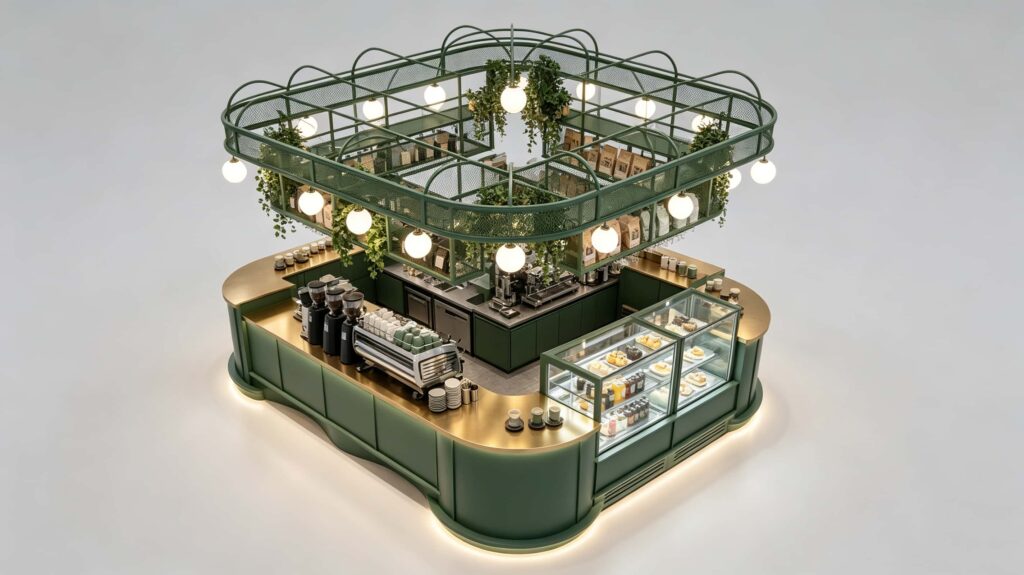
4. Kiosk Design: The 3-Second Rule for Grabbing Attention
You’ve got a tiny footprint. Design quality directly determines whether people stop or keep walking.
Three Core Design Principles
1. Recognizable from 10 meters away
People should know what you sell from across the walkway. Stick to two main colors max. Make your logo big and clear. No busy patterns — people walk by in a second.
2. Layered product display
Organize stock on three levels:
- Eye level (1.2-1.5m): Hero products, highest-margin items
- Lower shelves: Secondary products, volume sellers
- Upper display: Branding, decor, pricing signage
3. Room to move
Make sure people can approach from at least two sides. During peak hours, 3-4 customers browsing at once shouldn’t feel crowded.
What’s Changed in 2026 Kiosk Design
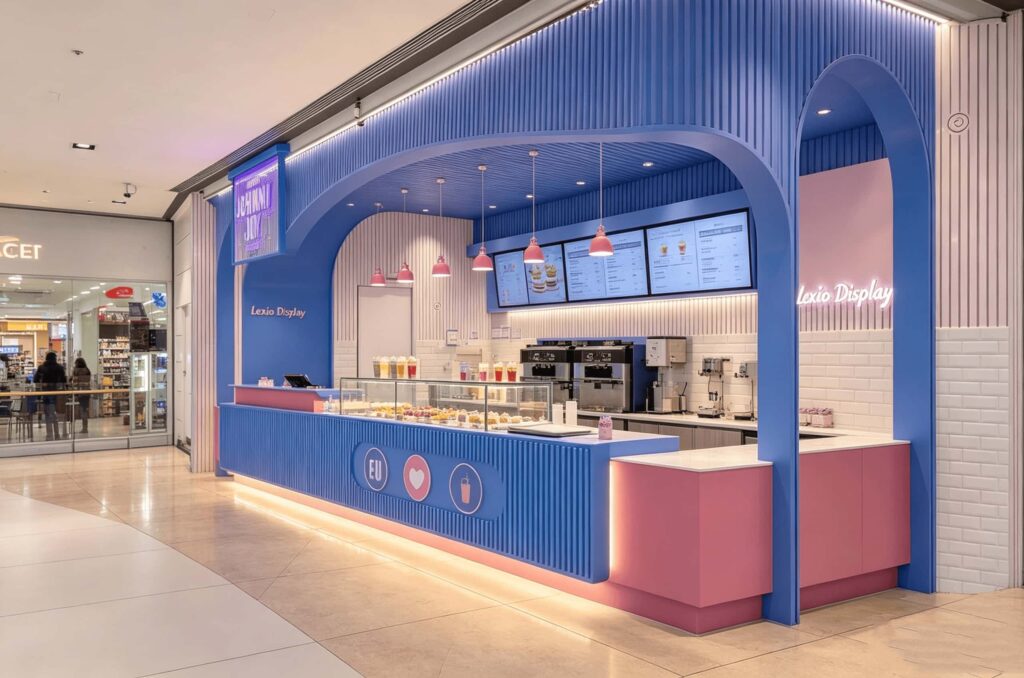
- Lighting matters more than ever — Warm white light + accent spotlights instantly elevate product perception. LED strip lighting is basically standard now.
- Modular builds are on the rise — Reconfigurable cabinets mean you can relocate or pivot categories without rebuilding the whole kiosk.
- Digital screens are becoming standard — Even a small screen looping product videos or pricing beats static posters by roughly 20% conversion.
B2B note: Don’t pick a kiosk manufacturer based only on the quote. Materials, build quality, shipping, installation, and after-sales support — all of these have real costs. Cheap cabinets warp after six months and end up costing more in the long run. A standard custom kiosk normally runs $8,000-$20,000. If someone quotes way below that range, dig deeper.
5. Inventory Management: Don’t Let Dead Stock Choke Your Cash Flow
Inventory is the #1 killer of new kiosk businesses. Overstock and your money gets tied up. Understock and you miss peak sales windows.
The Safe Formula for First-Time Orders
Initial inventory = estimated monthly sales × 1.5
Don’t overbuy. Especially with seasonal items — sunglasses in summer, scarves in winter — if they don’t move, you’re stuck with them.
ABC Inventory Method
Split your products into three buckets:
| Category | Sales Contribution | How to Manage |
|---|---|---|
| A (best sellers) | 20% of SKUs = 70% of sales | Keep well-stocked, reorder often, never run out |
| B (steady sellers) | 30% of SKUs = 20% of sales | Normal stock levels, restock weekly |
| C (long tail) | 50% of SKUs = 10% of sales | Order light. Re-evaluate after they sell through |
Practical advice: Do inventory every Sunday night. What’s moving? What’s sitting there? Numbers don’t lie. If something hasn’t sold for two weeks straight, mark it down and clear it out. Don’t get sentimental. Freeing up cash for new product beats sitting on dead stock.
6. Staff Training: A Good Seller Can Double Your Numbers
Kiosks don’t sell themselves. People make the difference.
What to Look for When Hiring
You don’t need the most experienced person. Hire someone outgoing, comfortable approaching strangers, and who genuinely likes chatting with people. Mall kiosk selling isn’t waiting around — it’s actively engaging.
Three Sales Behaviors to Train Every Employee On
- Approach rate — Greet at least 1 out of every 3 people walking by. A simple “want to check out our new phone cases?” goes a long way. No greeting = no sale.
- Add-on rate — When someone buys one thing, suggest a pairing. Phone case? Offer a screen protector. Top performers hit 30%+ add-on rates.
- Dwell time — The longer someone stays, the more likely they buy. Let them touch and try products. Don’t just talk at them.
Compensation tip: Base pay + commission works best. Calculate commission on revenue, not profit — people need to understand the math to stay motivated. Typical commission ranges from 3%-8%, depending on your margins.
7. Seasonal Strategy: Ride the Holiday Wave
Kiosk sales swing hard. Holidays and weekends can do 3-5x normal volume. Ignore seasonal marketing and you’re leaving money on the table.
Year-Round Marketing Calendar
| Months | Key Events | Action Plan |
|---|---|---|
| Jan-Feb | New Year, Valentine’s Day | Gift bundles, limited editions — stock up 2 weeks early |
| Mar-Apr | Easter, Spring Break | Family traffic spikes, add kid-friendly products |
| May-Jun | Mother’s Day, Father’s Day | Themed displays, bundle deals |
| Jul-Aug | Summer break, Back to school | Student demographic — highest foot traffic all year |
| Sep-Oct | Halloween, new school year | Themed decor, photo-worthy displays |
| Nov-Dec | Black Friday, Christmas | Peak season — stock up heavy, bring on temp staff |
What about slow seasons? January and September are usually the quietest months. Don’t force it. Run clearance to move old stock, or ask about relocating to a cheaper spot temporarily. Controlling costs beats chasing sales in a dead month.
8. Data Review: Spend an Hour a Week, Grow Sales 30%
Too many kiosk owners fly by the seat of their pants. Track a few simple numbers and you’ll spot patterns you’d otherwise miss.
3 Numbers to Track Daily
- Foot traffic — Rough estimate of people walking by (break it down by hour)
- Transactions — How many sales you made
- Average order value — What each customer spends on average
Two Key Metrics to Calculate Weekly
Conversion rate = transactions ÷ foot traffic
A normal mall kiosk converts 2%-5%. Below 2%? Your product or display is off. Above 5%? You’ve got a great location or a great sales team.
Sales per square foot = weekly revenue ÷ kiosk size (sq ft)
Use this to compare locations by actual value, not just rent price.
Monthly review habit: What sold best this month? Why? Was it price, design, or where you placed it? Can you replicate that next month? Do this consistently for three months and you’ll notice sales climbing without even trying.
FAQ
How much does it actually cost to open a mall kiosk?
Depends on category and location. Bare minimum (simple retail + mid-tier mall) runs $5,000-$10,000. A typical setup is $15,000-$30,000. Food concepts or high-end custom builds can run $50,000+. The big three expenses are: first month’s rent + deposit, kiosk build, and initial inventory.
How long until I break even?
Well-run kiosks hit break-even in 3-6 months. The norm is more like 8-12 months. If you’re not there after a year, something’s off — probably product or location. Don’t throw good money after bad.
What licenses and insurance do I need?
You’ll need a business license — specifics vary by location. Malls almost always require General Liability Insurance, typically $1M minimum coverage. Runs about $500-$1,500 a year. If you’re selling food, add a health permit on top.
I have zero experience. What category should I start with?
Phone accessories or small fashion accessories are the safest bets. Supply chains are mature, sourcing is easy, no special skills needed, margins are solid. Best of all — no expiration dates, so unsold stock doesn’t go bad.
What if the mall won’t let me sell my product?
Every mall has category restrictions, especially if similar stores already exist. Ask the leasing manager upfront which categories are available, then build your concept around that. Or go niche — if the mall has jewelry stores but nobody does custom engraving, that’s your opening.
Final Thoughts
Opening a mall kiosk sounds straightforward, but the details are where people lose money. From picking products to hiring staff, every misstep costs you.
If you’re planning a kiosk project or want to upgrade an existing location, we’ve designed and built 200+ mall kiosks worldwide, handling everything from design and manufacturing to shipping and installation. Whether you need a standard layout or a fully custom build, drop us a message with your requirements — we’ll put together a detailed proposal and quote.
Reach out today for a free kiosk design and budget checklist.