
How to Buy Custom Cafe & Restaurant Counter in 2026 | Full Buying Guide For New Store Owners

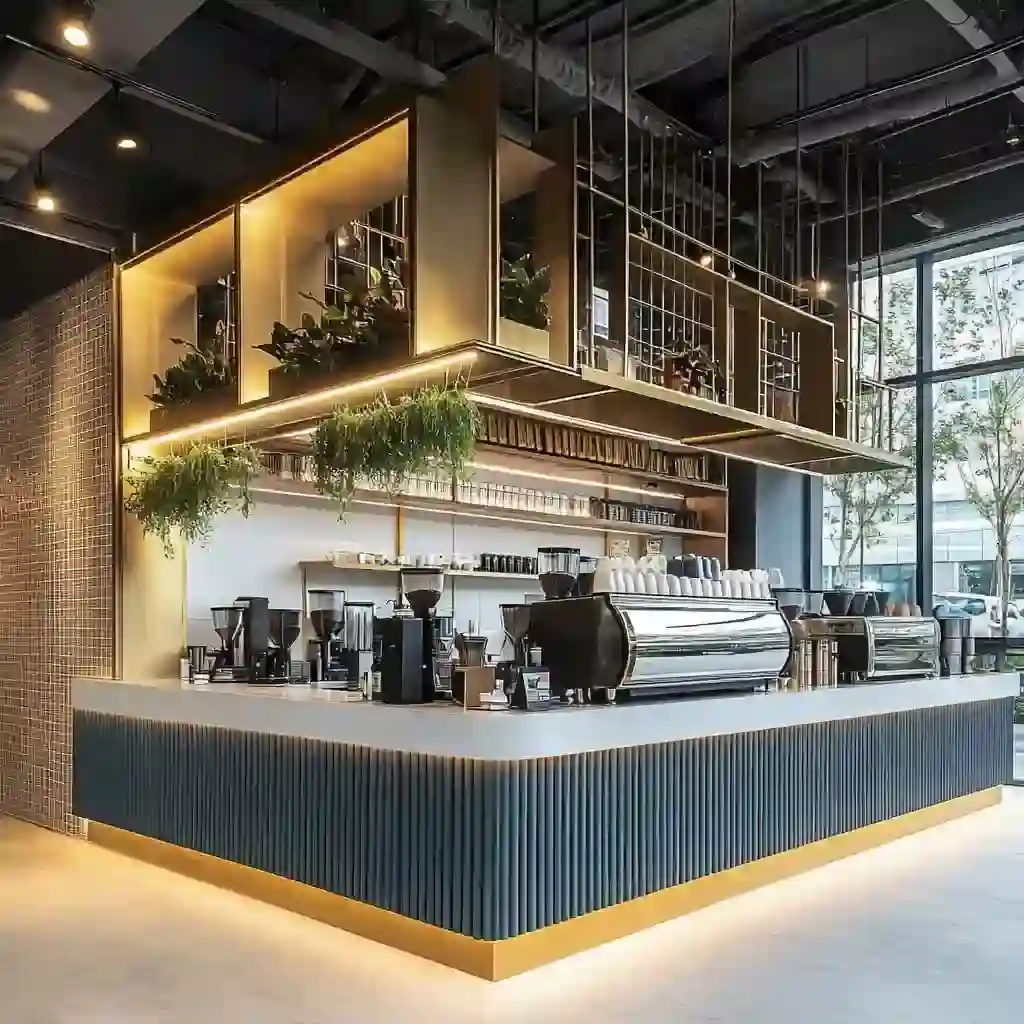
Thinking about ordering a custom cafe & restaurant counter that can survive your morning rush and still look good on Instagram? In 2026, doing this from scratch is trickier than most new store owners expect. Ocean freight swings every week, raw material prices haven’t cooled off, and if you call a local carpenter in the US or Australia, you’re probably looking at a 6-week wait just to get a quote.
This buying guide skips the theory. I’m going to walk you through exactly how to lock down a realistic budget, find a factory that won’t ghost you, pick materials that actually last, and set a delivery schedule you can count on. All practical stuff you can use right now.
What’s different about buying a custom cafe counter in 2026
Before you send a single deposit, you need to understand three things that have changed since 2024. Ignore these and your budget will fall apart fast.
Stainless steel and quartz are still expensive
304 stainless steel per ton is up roughly another 8% compared to 2024. Quartz slabs have followed the same pattern. Don’t base your budget on a project quote from three years ago. A typical 8-foot quartz counter can easily cost $300–$500 more just in raw material.
Lead times are shorter, but delays still hit hard
Right now, a Chinese factory can finish production in 3–5 weeks. Add ocean freight and customs clearance, and door-to-door usually sits at 7–9 weeks. Sounds okay, right? But based on freightos data, roughly 15% of custom furniture orders in 2026 still run into port congestion or random customs inspection, tacking on at least 2 extra weeks. You have to build in that buffer.
“Buy the cheapest” isn’t the smart play anymore
More restaurant owners have started looking at total cost of ownership. Think about it: a $2,500 imported laminate front counter that starts peeling at the edges or bubbling after one year. The lost business and repair work will eat up that “saving” fast. In 2026, durability, easy cleaning, and whether the factory offers real after-sales support matter way more than the lowest sticker price.
How much does a custom restaurant counter actually cost?
Don’t just look at the cabinet price. The final installed cost is usually 1.5 times the base quote. Freight, duty, local installation, and electrical work all pile up. These numbers are based on real budgets for an 8-foot counter in 2026.
| Counter Setup | Local Carpenter (NA/W.Europe) | Chinese Factory Direct (incl. sea freight) | Hidden Cost Reality |
|---|---|---|---|
| Laminate + wood-base cabinet | $2,800–$4,200 | $1,100–$2,000 | Freight & duty often eat 25%–35% of product cost |
| Quartz top + stainless steel base | $5,000–$7,800 | $2,600–$4,200 | Installation & electrical mods extra $400–$900 |
| 304 stainless steel front & back bar | $4,200–$6,000 | $1,900–$3,200 | If quoted DDP, taxes are already included; if not, budget separately |
Pro tip: If you’re in the US or Australia this year, push your supplier to quote DDP (Delivered Duty Paid). Lock in the duty and clearance fee upfront, and don’t gamble on customs policy changes. European buyers can look at rail plus last-mile truck instead of pure sea freight — it’s more stable and often saves 10–14 days.
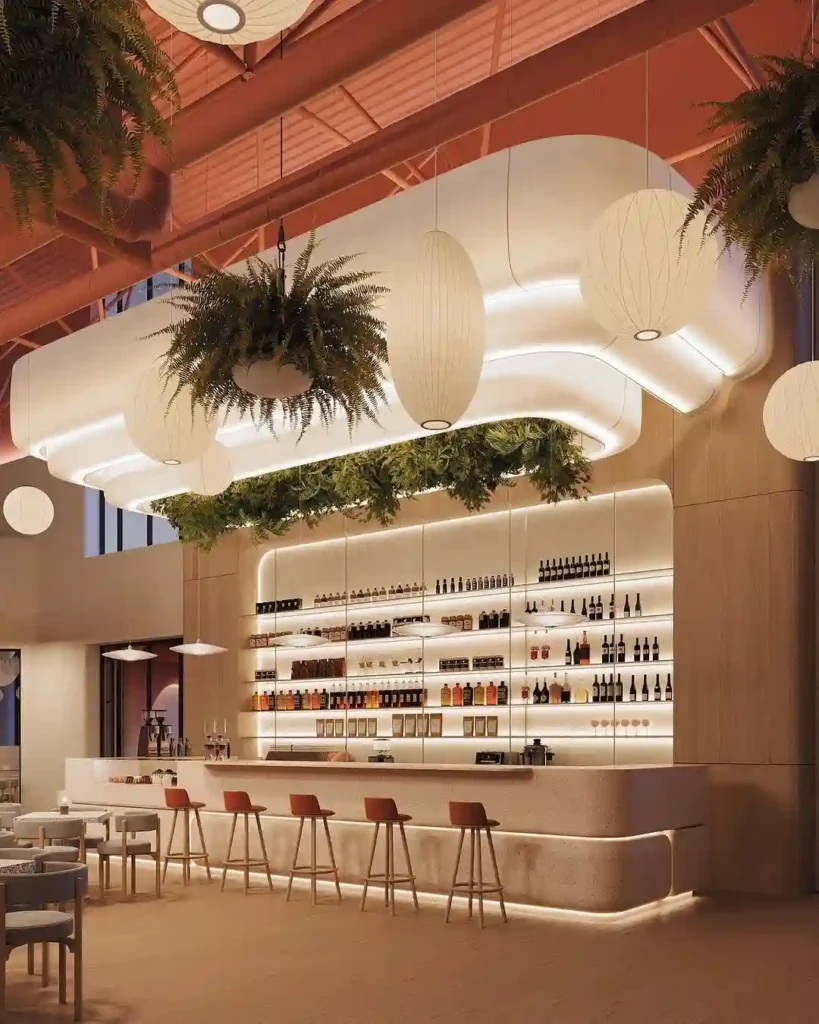
Who should you actually buy from? The real B2B sourcing layers
New owners often get burned by chasing the lowest price without knowing who they’re talking to. The supply side in 2026 breaks down into three layers.
Local small workshops
Zero time zone hassle, flexible on sizing, can come measure your site. But expensive, long wait times, and honestly, most of them have never built a true commercial cafe counter. They don’t know that a cashier counter needs a 24-inch deep worksurface or why a stainless steel toe kick should be recessed. Only worth it if you have a fat budget and a truly weird layout.
Foodservice equipment dealers/importers
They carry modular systems with stable quality and can handle semi-custom requests. You’ll pay 20%–30% more, but the price includes a warranty and local installation guidance. If you’re opening just one shop and don’t want to babysit international logistics, this route saves the most headaches.
Direct factory B2B sourcing
This is what multi-store owners and budget-watching new owners lean on in 2026. Factories in Foshan and Jiangmen aren’t just pumping out cheap junk anymore. Plenty of them supply chain fast-food brands in the US and Europe now, using Blum or DTC hardware, and can do a 45-degree seamless miter joint on sintered stone tops.
How to vet them: Don’t just stare at an Alibaba Gold Supplier badge. Ask for a live video walkthrough of the workshop floor — you want to see half-finished units, not a showroom. Tell them, “Film one minute of your edge banding machine running right now.” That video is more honest than any certificate. Also, pay to get a physical material sample shipped to you. Spending $60–$120 on a swatch can save you from a whole container of trash.
Countertop and cabinet materials: what actually survives in 2026
Honestly, the bar counter in a coffee shop, a bakery, and a busy kitchen back area all get beat up in completely different ways. Copying a trendy Instagram cafe’s material choices will make you want to rip it out three months later.
How to pick the countertop
- Quartz: Scratch-resistant, won’t soak up coffee stains, looks premium in photos. But it hates sudden heat — don’t plop a just-pulled espresso cup straight on it. Best for the front order counter.
- 304 stainless steel: Commercial kitchen standard. You must insist on 1.2mm thickness or thicker, and the top must have a honeycomb or MDF substrate bonded underneath, or it’ll dent if someone leans on it. In 2026, loads of new shops are pulling stainless all the way to the front bar for an industrial, bulletproof look.
- Laminate: Budget-friendly, tons of colors. The weakness is moisture and edge swelling. Only go for “post-formed” tops where the front edge is one continuous curved piece with no seam. Good for low-volume counters or pop-ups.
- Solid wood / butcher block: Warm feel, but needs monthly food-grade wax oil. Strongly recommend only using it as an accent — like an inset pastry display zone. Don’t make the whole busy bar counter out of it.
Cabinet body and toe kick
If the area gets wet or needs to be hosed down, go full stainless steel cabinet, no debate. For dry front-of-house areas, multilayer plywood with PVC edge banding works, but confirm the glue is E0 grade. The toe kick must be at least 4 inches high in stainless steel, recessed 3 inches. This way staff can stand close without kicking the door, and it’s easy to clean underneath.
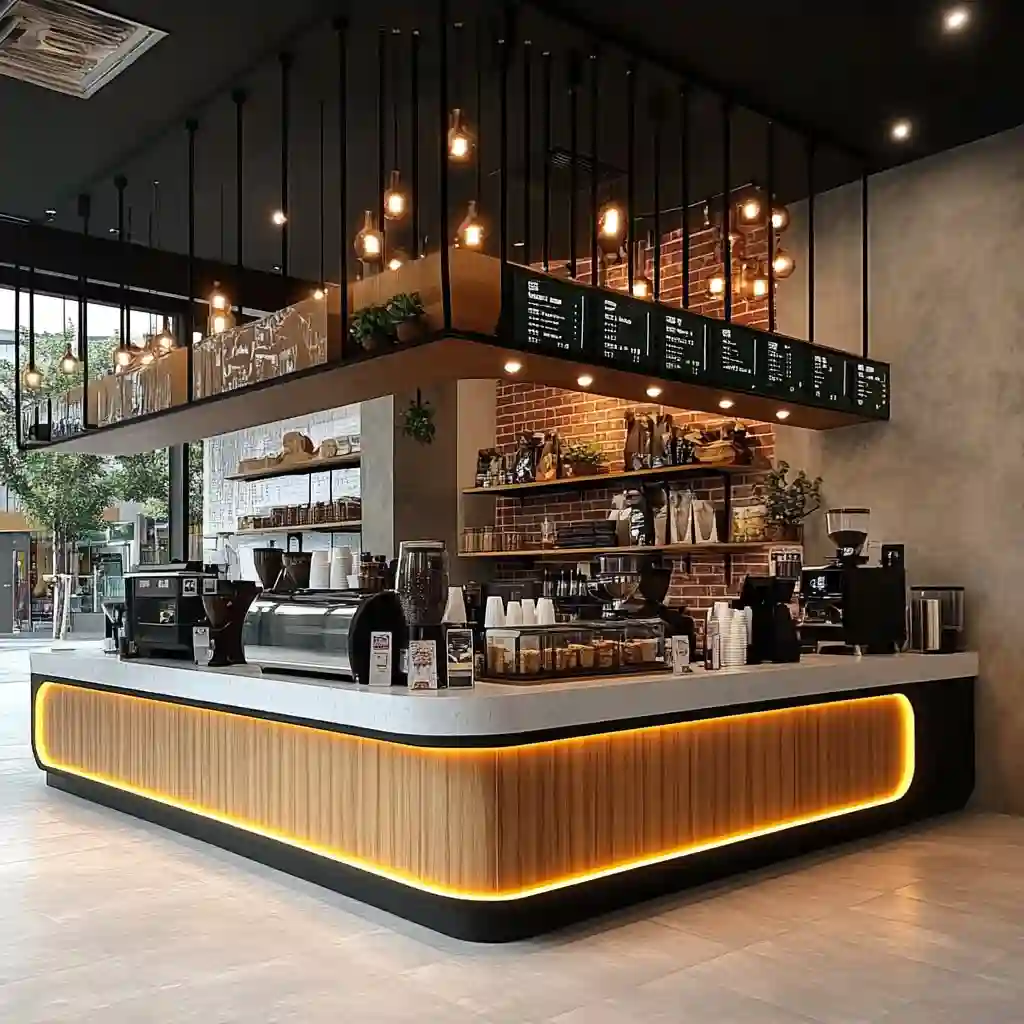
4 design details most new owners completely forget
Design drawings look beautiful until you start working behind the counter and realize something is off. This happens every single year.
1. POS and cashier area depth
A standard countertop is 24 inches deep. If you need to fit a POS terminal, barcode scanner, receipt printer, and spare paper rolls, push that to at least 30–32 inches deep. Pre-plan cable holes and power sockets underneath, and leave at least a 4-inch tall cable raceway. Otherwise cable management will drive you crazy.
2. Customer-side armrest and knee clearance
If your counter has an overhang for guests to stand at, leave at least 18 inches of clear width. The bottom edge of that overhang shouldn’t be more than 34 inches from the floor, or people will bang their knees. I’ve seen counters built too low, forcing customers to bend over to sign a receipt — terrible experience.
3. Drainage and splashback
If there’s a sink or coffee machine drain inside the bar, the countertop needs a back splash and an undermount sink with a seamless joint. Wrap the bottom 6 inches of the cabinet in waterproof aluminum sheeting or rubber membrane. And critically: the drain pipe must have a proper P-trap. Don’t let them drop it straight into a floor drain without a water seal, or sewer gas will come right back up and ruin the whole counter area.
4. Equipment ventilation and access panels
If you’re tucking a fridge or ice maker under the counter, follow the manufacturer clearance specs religiously — usually 4–6 inches on sides and back. Make the back panel a removable grill or access door. If the compressor can’t breathe, it’ll overheat and shut down, and then the repair guy will have to dismantle half your bar just to reach it.
Placed the order? How to track it and minimize delays and damage
Paying the deposit doesn’t mean you can sleep easy. Here are some hard-earned lessons from keeping tabs on orders in 2026.
Mid-production: demand photos, not just “we’re working on it”
Write into the contract: after cabinet bodies are assembled and stone tops are cut but before final polishing, the factory must send photo or video confirmation. Catching a problem at this stage can still be fixed. Once it’s polished and packed, don’t expect the factory to swallow the rework cost.
**Inspection: don’t skip that $200**
For any order over $3,000, hire a third-party inspector like HQTS or AsiaInspection. They charge per man-day and will check dimensions, material thickness, edge banding strength, and whether the hardware brand matches what you paid for. Common findings: uneven stone joints, scratched stainless without anti-fingerprint coating, or hinges that got quietly swapped for a cheaper brand.
Shipping terms: switch FOB to DDP or at least CIF + a local broker
Pure FOB is too risky if you’re new. A delay at sea with no insurance means you eat the loss. Get the supplier to quote DDP, or use CIF plus your own customs broker, so the goods are covered until they hit the destination port. For smaller orders, just use courier-consolidated door-to-door freight — it’s easier to claim if something goes missing.
Arrival prep: book a forklift and moving crew early
A wooden crate can weigh several hundred kilos, and the delivery driver just drops it at the curb. If your restaurant is inside a mall or pedestrian street, arrange a lift platform or a hand truck team in advance. As soon as you unwrap it, check all four corners and countertop edges immediately and take photos. You’ve got 24 hours from unwrapping to report damage with a clear paper trail.
Tough questions new owners ask in 2026 (no fluff QA)
“I’m just opening one small cafe. Can I really get a custom front counter on a $5,000 budget?“
Yes, with some compromise. Go semi-custom: buy standard modular stainless steel cabinets from a Chinese factory, then have a local shop fabricate and install a quartz top over them. An 8-foot bar can land between $3,500 and $5,000 including basic install. A full one-off custom build? Double that to be safe.
“On Alibaba, how do I quickly filter out unreliable suppliers?”
Ask these three questions and expect a straight answer within 24 hours:
① Can you send a real photo of the internal frame of a similar cabinet you’ve built?
② Can you work on DDP door-to-door terms?
③ Is your MOQ 1 piece or 5? If they refuse to show a live workshop shot, insist on EXW only, or start pushing for a deposit right away, just drop them. A real commercial furniture factory won’t be scared of a video inspection.
“If my imported counter gets damaged later, how does after-sales really work?”
Most Chinese factories offer a 1–2 year warranty on the main structure, but shipping a spare part takes time. The smart move is to ask the factory to throw in a few extras with the shipment: 2–3 strips of matching edge banding, one extra set of hinges and handles, and a small bottle of touch-up paint. That way if a door gets chipped or edging lifts, a local carpenter can fix it the same week without waiting for an overseas part.
“I want a lot of wood elements. Will it pass fire inspection?”
You need to insist the factory provides fire rating test reports for the panels, like BS 476 or ASTM E84 Class A. Avoid solid wood as the main structure. Instead, use fire-rated laminate or a metal frame with wood cladding. It gives the same warm look but clears fire inspection without a headache.
Let’s get your counter project moving
You’ve got the specs, the budget, and the right questions to ask — now let’s make it real. If you’re looking to order a custom cafe counter or restaurant bar in 2026, skip the middlemen and come straight to our factory. We’ve been building commercial counters for coffee shops, bakeries and quick-service restaurants across the US, UK and Australia for years, so we know exactly what holds up under heavy daily use.
Just send us your rough floor plan, a couple of inspiration photos, and your target budget. We’ll put together a transparent DDP quote that covers production, freight and duty — no hidden fees, no last-minute surprises. Most quotes land in your inbox within 48 hours. Whether you need a single bar for your first shop or a full set for multiple locations, we handle small and bulk orders the same way: with real attention to your workflow, not just a copy-paste design.
Email us at sales@lexiodisplay.com or reach out on WhatsApp at +8617722245723 with your counter dimensions. Let’s build something that fits your menu, your space, and your morning rush — not just something that looks good in a brochure.