Shopping Mall Kiosk: The Ultimate Guide to Costs, Types & Profitability

If you have ever walked through a busy shopping centre, you have seen them—compact, eye-catching retail units selling everything from phone cases to gourmet popcorn. A Shopping mall kiosk offers one of the lowest barriers to entry for retail entrepreneurs. As a factory-direct manufacturer of commercial display units, I’ll give you the straight facts on what these kiosks are, what they cost to rent and build, and how to launch one profitably without getting burned by middlemen.
What Is a Kiosk in a Shopping Mall?
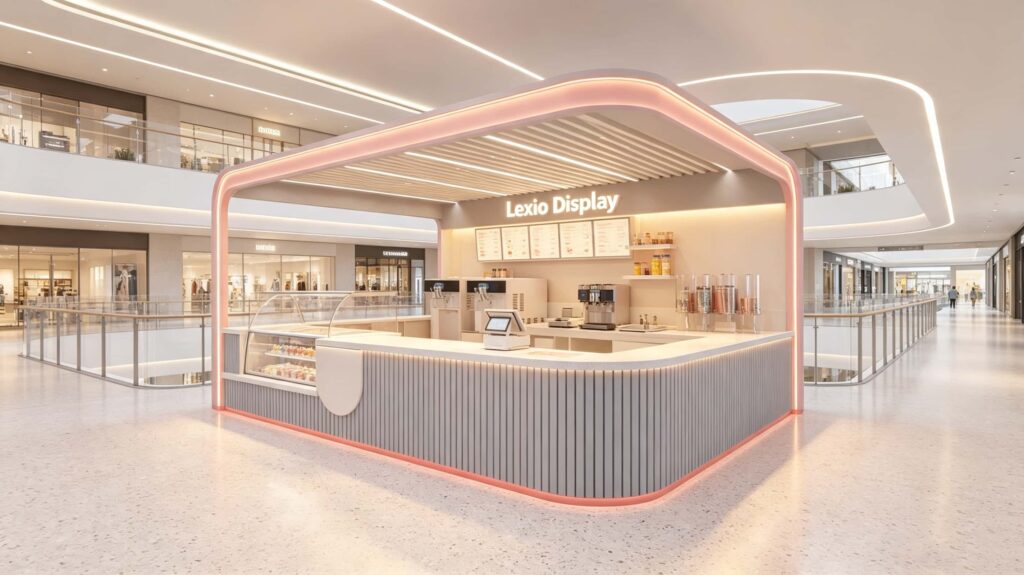
A Shopping mall kiosk is a compact, freestanding retail unit located in the common areas of a mall, rather than inside a traditional enclosed store. It typically features a counter, display shelves, signage, and secured storage. Kiosks are ideal for impulse purchases, seasonal products, and high-margin items that need high foot traffic visibility.
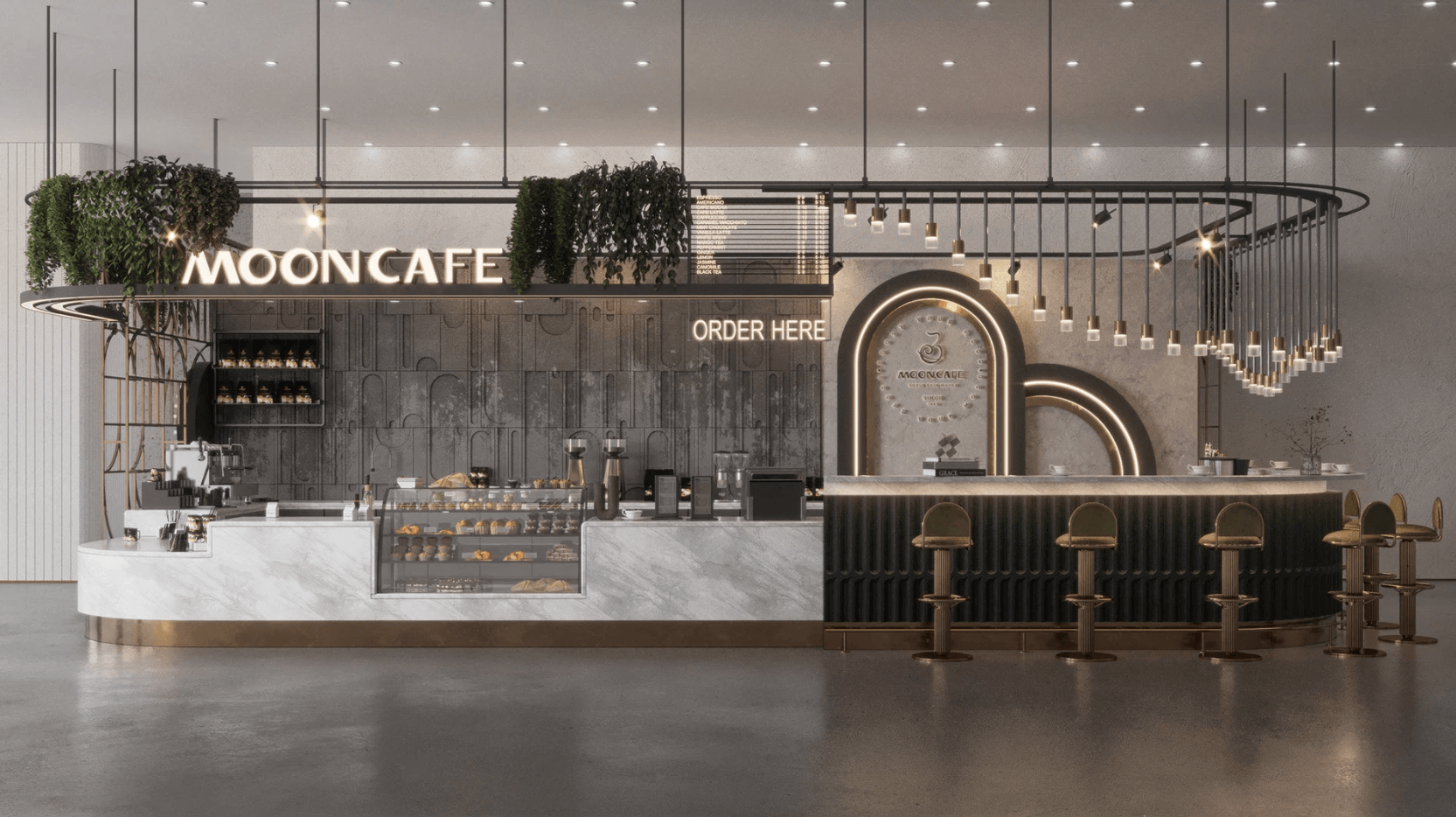
Most shopping centres refer to these units as RMUs—Retail Merchandising Units. They come in several configurations: a simple cart-style kiosk on wheels, a larger inline kiosk with a back wall and storage, and a full island kiosk accessible from all four sides. From a manufacturing perspective, the most successful operators invest in a custom mall kiosk design rather than renting a generic mall-owned unit. A generic kiosk might save you money upfront, but it will not stand out in a crowded corridor. A custom-designed kiosk allows you to match your brand colours, incorporate unique lighting, and optimise the display area for your specific products. For example, a phone accessory kiosk needs pegboard walls and locking drawers, while a gourmet food kiosk requires a refrigerated display and a food-safe counter surface. Working directly with mall kiosk manufacturers gives you that flexibility at a fraction of the cost that a local shopfitting company would charge.
How Much Does It Cost to Rent a Booth in a Mall?
Renting a mall kiosk for rent varies widely based on location, mall traffic, and lease length. Monthly rent can range from $1,000 to $10,000 or more, depending on whether you are in a regional centre or a premium city mall. Short-term seasonal leases often cost more per month than annual commitments. Additional expenses include utilities, insurance, and a percentage of sales.
Let me break down the real numbers because this is where many first-time operators go wrong. In a mid-tier suburban mall in Australia or the United States, a standard kiosk location might lease for $2,500 to $4,500 per month on a 12-month agreement. A short-term Christmas season lease in the same mall could jump to $6,000 or more per month because the mall knows you will generate high sales. On top of rent, most malls charge a CAM (Common Area Maintenance) fee, which can add 10-15% to your monthly cost. You will also need to budget for public liability insurance, which is typically mandatory.
But rent is only half the story. The physical kiosk itself represents a significant upfront investment. If you use a mall-owned kiosk, they may include it in the rent or charge a separate fixture fee. If you bring your own, which I always recommend, you need to purchase or lease the unit. A high-quality custom mall kiosk design from a factory-direct manufacturer typically costs between $3,000 and $15,000 depending on size, materials, and integrated features like LED lighting or digital screens. Compare that to a local shopfitting company that buys from the same factory and marks it up 50-100%. The math is simple: going direct saves you thousands on your initial build.
How to Get a Kiosk in the Mall?
To get a kiosk in a mall, first contact the mall’s leasing office to discuss available locations and terms. Prepare a business plan and product concept. Once approved, source your kiosk from mall kiosk manufacturers who can customize the unit to your brand and mall requirements, ensuring compliance with fire and safety codes.
The process of how to start a mall kiosk is straightforward, but it requires preparation. Begin by researching malls in your target area. Visit during peak hours and observe which kiosk locations get the most foot traffic. End-cap locations near entrances or escalators usually perform best, but they also cost more. Once you identify a promising mall, contact the leasing manager directly. Do not go through a broker—they add fees and often steer you toward less desirable spots. Present a clear product concept, your expected sales volume, and any previous retail experience. Malls want tenants who will succeed because empty kiosks look bad and generate no rent.
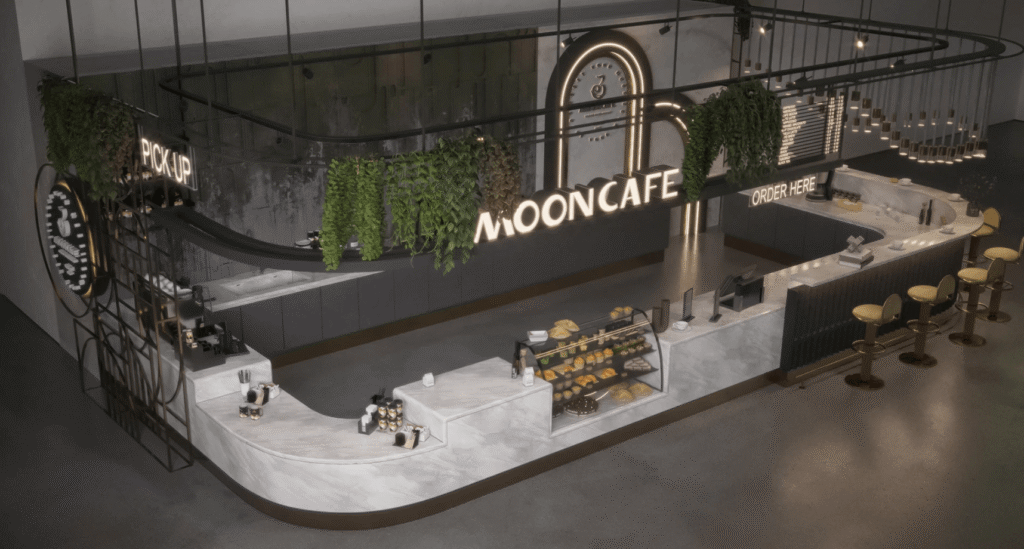
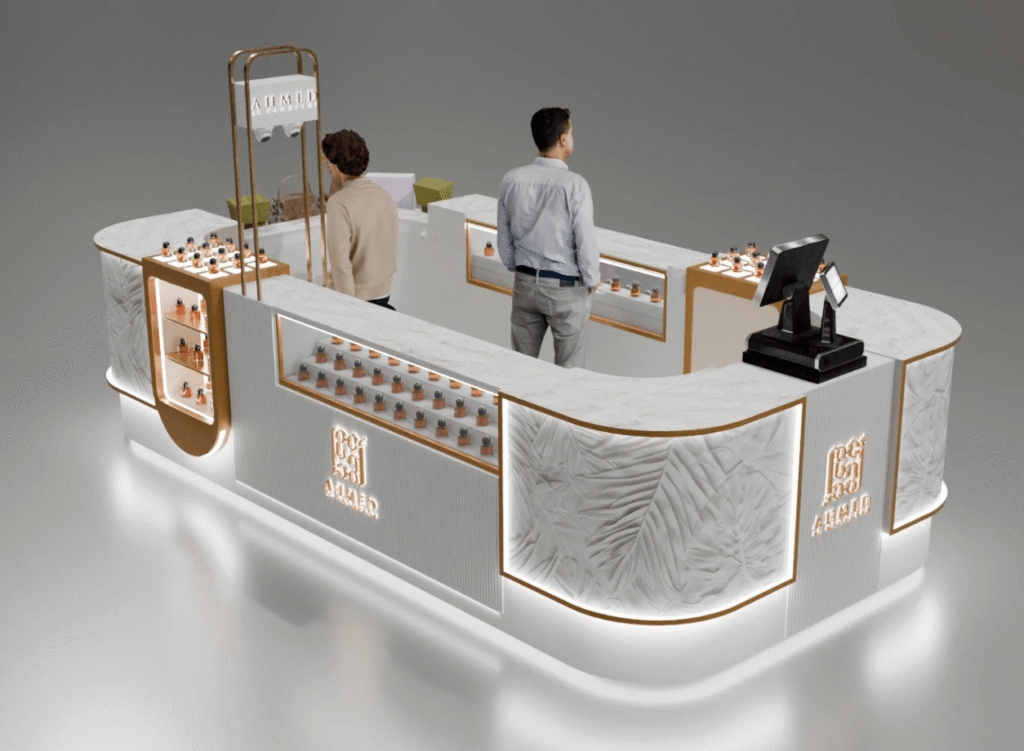
After securing a lease, the next step is sourcing your physical unit. This is where mall kiosk manufacturers come in. As a factory, we regularly work with operators who need a kiosk that meets specific mall requirements: fire-rated materials, accessible counter heights, and lockable storage. Send us your floor plan, the kiosk footprint allowed by the mall, and your product list. Our design team will produce a 3D rendering showing the layout, sightlines, and lighting placement. You approve the design, we manufacture it, and we ship it flat-packed with assembly instructions. Many operators also ask us about profitable mall booth ideas before committing to a product line. From my experience, the most reliable earners are phone accessories, customised jewellery, beauty products like lashes or skincare, and impulse food items like pretzels or bubble tea. These products have high margins, small footprints, and strong repeat purchase behaviour. The key is matching the product to the mall’s demographic—what works in a family-oriented suburban mall may flop in a luxury city centre.
One final piece of advice: do not underestimate the importance of your kiosk’s visual appeal. A dull, poorly lit kiosk will be invisible next to a bright, branded competitor. Invest in quality lighting, clean graphics, and a layout that invites customers to stop. Your kiosk is your storefront, and in a mall environment, you have about three seconds to capture someone’s attention.
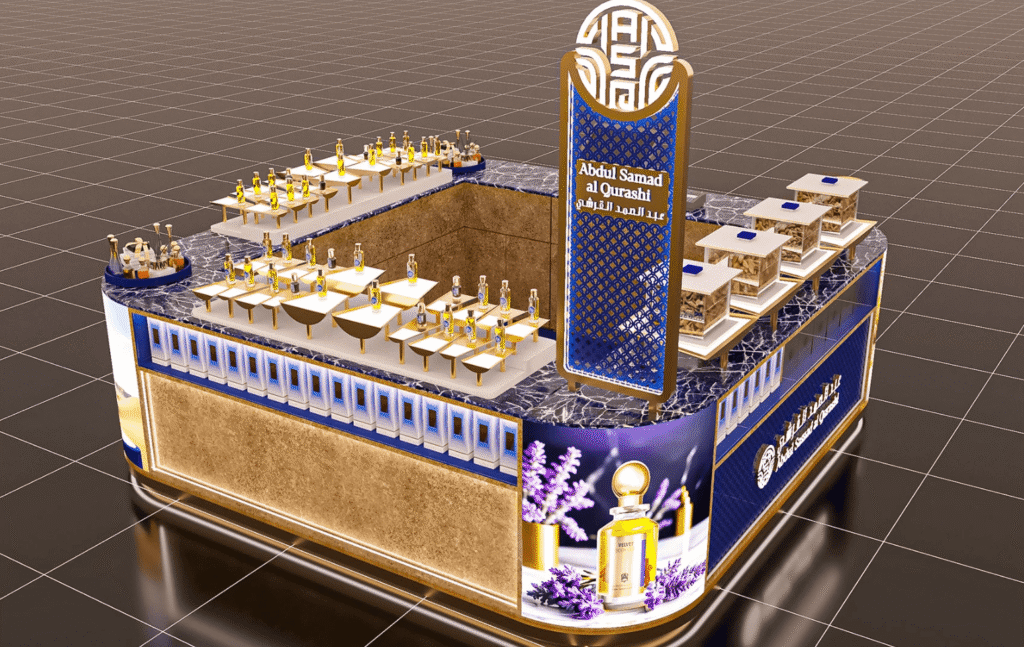
Ready to launch your Shopping mall kiosk without paying distributor markups? Send us your mall floor plan, the kiosk dimensions allowed by your lease, and the type of products you plan to sell. Our in-house design team will create a 3D layout and a transparent factory-direct quote for your custom mall kiosk design. You deal directly with the manufacturing team that builds the unit—no agents, no hidden fees, no middleman margin. Contact us today and get your production drawings within five business days.